


Common Plumbing Problems In Older Chicagoland Homes

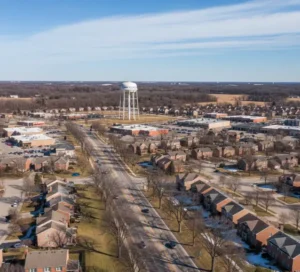
Chicagoland is full of beautiful, established neighborhoods — from classic brick homes in Wheaton to mid-century builds in Naperville and older properties throughout Aurora and Elgin. While these homes offer character and charm, they often come with aging plumbing systems that weren’t designed for modern water usage.
If your home was built before the 1990s, you may be dealing with hidden plumbing issues that can lead to leaks, backups, water damage, or costly repairs. Understanding the most common plumbing problems in older Illinois homes can help you prevent emergencies and protect your investment.
Here’s what homeowners need to know — and when to call Precision Today for professional plumbing service.
Why Older Homes in Illinois Face Unique Plumbing Challenges
Several factors make plumbing systems in older Chicagoland homes more vulnerable:
- Aging pipe materials (galvanized steel, cast iron, clay)
- Hard municipal water causing mineral buildup
- Expansive clay soil shifting during freeze-thaw cycles
- Tree root intrusion in sewer lines
- Flood-prone basements during heavy storms
Between subzero winters and humid summers, plumbing systems in Illinois endure significant stress year-round.
1. Galvanized Steel Pipes and Corrosion
Homes built before the 1960s often used galvanized steel piping. Over time, these pipes corrode internally.
Warning Signs:
- Low water pressure
- Discolored or rusty water
- Frequent small leaks
- Uneven water flow
Corrosion narrows the inside diameter of pipes, restricting water flow and increasing the risk of rupture.
What Homeowners Need to Know
Once galvanized pipes begin deteriorating, repairs are often temporary. Full or partial repiping may be the safest long-term solution.
Precision Today can inspect your piping system and determine whether repair or replacement makes the most sense.
2. Cast Iron Sewer Line Deterioration
Many older homes in suburbs like Downers Grove and Schaumburg have cast iron drain lines. While durable, cast iron can corrode, crack, or collapse over decades.
Signs of Sewer Line Problems:
- Slow drains throughout the home
- Frequent backups
- Sewage odors
- Gurgling sounds from toilets
If multiple drains are affected, the issue may be in the main sewer line rather than individual fixtures.
Professional camera inspections can identify the exact problem without unnecessary digging.
3. Tree Root Intrusion
Tree-lined streets are common across Chicagoland. While beautiful, mature trees often invade sewer lines searching for moisture.
Clay and older sewer pipes are especially vulnerable.
Warning Signs:
- Recurring drain clogs
- Sewage backing up in basement drains
- Lush patches of grass above sewer lines
- Slow flushing toilets
Hydro jetting and trenchless sewer repair are often effective solutions.
4. Hard Water Buildup
Illinois is known for hard water, especially in municipal systems along Route 59 and surrounding suburbs.
Hard water causes:
- Mineral buildup in pipes
- Reduced water heater efficiency
- Faucet and fixture damage
- Soap scum and scale
Over time, calcium deposits restrict flow and reduce appliance lifespan.
Installing a water softener can dramatically reduce mineral damage.
5. Failing Water Heaters
Older homes often have aging water heaters nearing the end of their lifespan.
Signs Your Water Heater May Be Failing:
- Rust-colored water
- Inconsistent temperatures
- Popping or rumbling noises
- Leaks near the base
- Higher energy bills
Water heaters typically last 8–12 years. Replacing them before failure prevents basement flooding and water damage.
6. Basement Flooding and Sump Pump Failure
Heavy rainstorms and rapid snowmelt are common in Illinois. Many older homes rely on sump pumps to prevent flooding.
If your sump pump:
- Runs constantly
- Makes unusual noises
- Fails during storms
- Hasn’t been tested recently
…it may not protect your basement during peak rainfall.
Backup battery systems and regular inspections are essential.
7. Outdated Fixtures and Supply Lines
Older plumbing systems may include:
- Polybutylene pipes
- Aging supply hoses
- Worn shut-off valves
- Corroded faucet connections
These components often fail unexpectedly, causing leaks behind walls or under sinks.
Routine inspections can catch small issues before they become major repairs.
How Illinois Weather Impacts Older Plumbing
Winter Freeze Risks
Subzero temperatures increase the risk of:
- Frozen pipes
- Burst supply lines
- Cracked fittings
Homes with poor insulation or exposed basement pipes are especially vulnerable.
Summer Storms and Sewer Backup
Heavy rainfall can overwhelm municipal sewer systems, increasing the risk of:
- Basement drain backups
- Sewer line overload
- Foundation water intrusion
Backflow prevention devices help reduce this risk.
What Homeowners Can Check Themselves
While major repairs require professional service, you can:
- Monitor water pressure changes
- Check for rust-colored water
- Listen for gurgling drains
- Inspect exposed pipes for corrosion
- Test sump pump operation before storms
If anything seems unusual, it’s best to schedule a plumbing inspection.
Repair vs. Replacement: When to Upgrade Plumbing Systems
Many homeowners ask whether small repairs are enough.
Repair May Be Enough If:
- The issue is isolated
- Pipes are generally in good condition
- No major corrosion is present
Replacement May Be Recommended If:
- Pipes are severely corroded
- Sewer line collapses are detected
- Repeated leaks occur
- Water quality is consistently poor
Precision Today provides honest recommendations based on long-term reliability — not quick fixes.
Preventative Maintenance Checklist for Older Homes
Here’s a simple guide for protecting your plumbing system:
Annual Plumbing Maintenance Checklist
- Schedule professional drain inspection
- Flush water heater
- Test sump pump
- Inspect exposed pipes
- Check shut-off valves
- Consider sewer camera inspection
- Evaluate water softener installation
Routine maintenance helps prevent costly emergencies.
Frequently Asked Questions About Older Home Plumbing
Are plumbing problems inevitable in older homes?
Not necessarily. Many issues can be managed with regular maintenance and timely upgrades.
How long do sewer lines last?
Clay and cast iron pipes can last 50–100 years but are vulnerable to root intrusion and corrosion.
Is repiping disruptive?
Modern repiping methods minimize wall damage and disruption. A professional evaluation can outline expectations clearly.
Should I upgrade plumbing before selling my home?
Updated plumbing improves home value and reduces inspection issues during resale.
A Real-World Scenario
Last spring, a homeowner in Aurora contacted Precision Today after repeated basement drain backups during heavy rain.
A camera inspection revealed tree root intrusion in an aging clay sewer line. After hydro jetting and targeted repair, the system functioned properly again — preventing future flooding during storm season.
Addressing the issue early saved thousands in potential water damage.
Don’t Let Aging Plumbing Lead to an Emergency
Older homes offer charm and character, but aging plumbing requires attention and care.
Precision Today has helped thousands of Chicagoland homeowners maintain, repair, and upgrade their plumbing systems with precision and reliability. From sewer line inspections to full repiping, we’re ready to help protect your home.
Call Precision Today for Expert Plumbing Service
Whether you’re dealing with slow drains, aging pipes, or sewer concerns, contact Precision Today for fast, same-day service you can trust. From minor repairs to major upgrades, we’re here when you need us most.



Join the Precision Today Zero Problems Plan! As a member, you’ll receive all these benefits and more:
- Seasonal HVAC Maintenance
- Priority service
- No dispatch fees
- Transferrable membership
- 10% discount on future repairs
When you sign up for the Zero Problems Plan, you'll gain access to exclusive discounts, providing everyday savings on the services you need.
Ready to streamline your plumbing, heating, cooling, and electrical maintenance needs? Join today by calling (630) 425-8995.